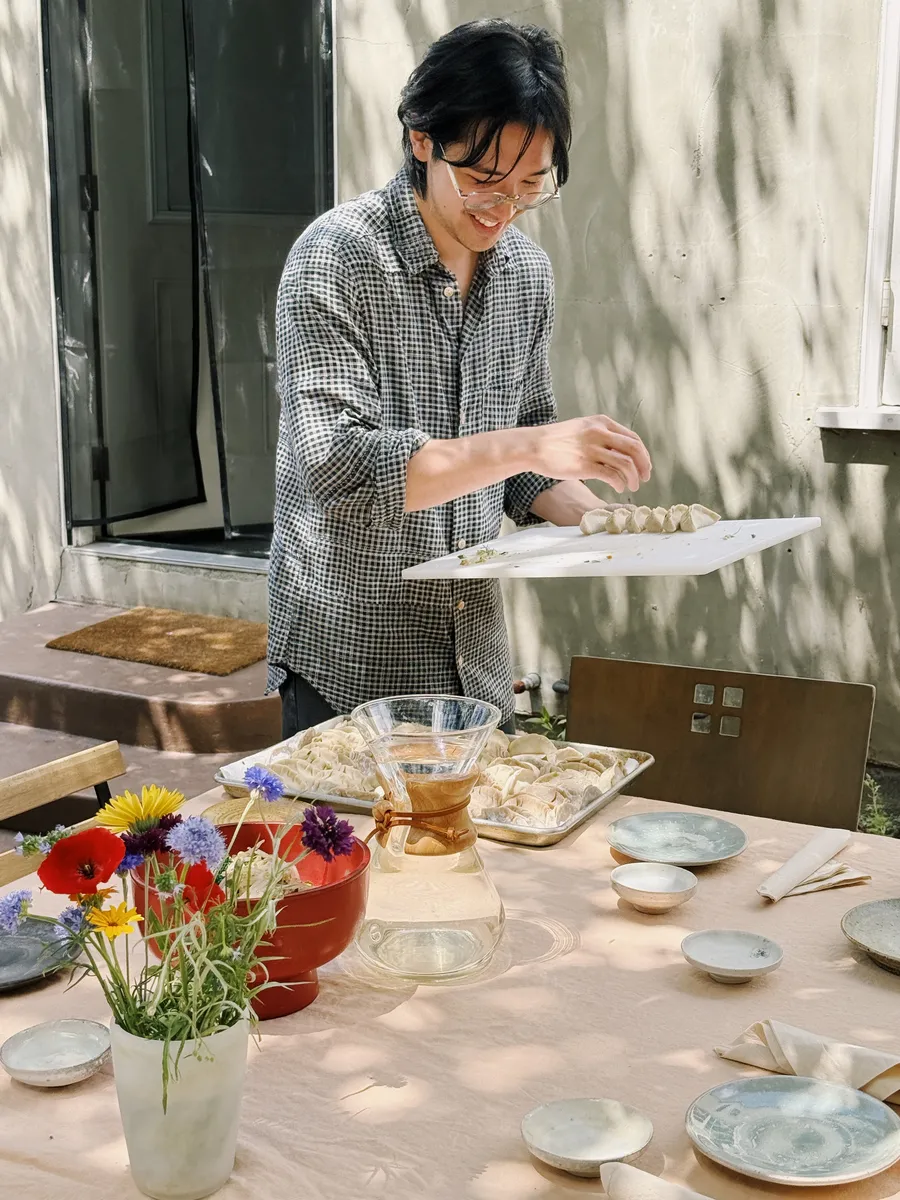
hosting a dumpling workshop with Sonoko Sakai
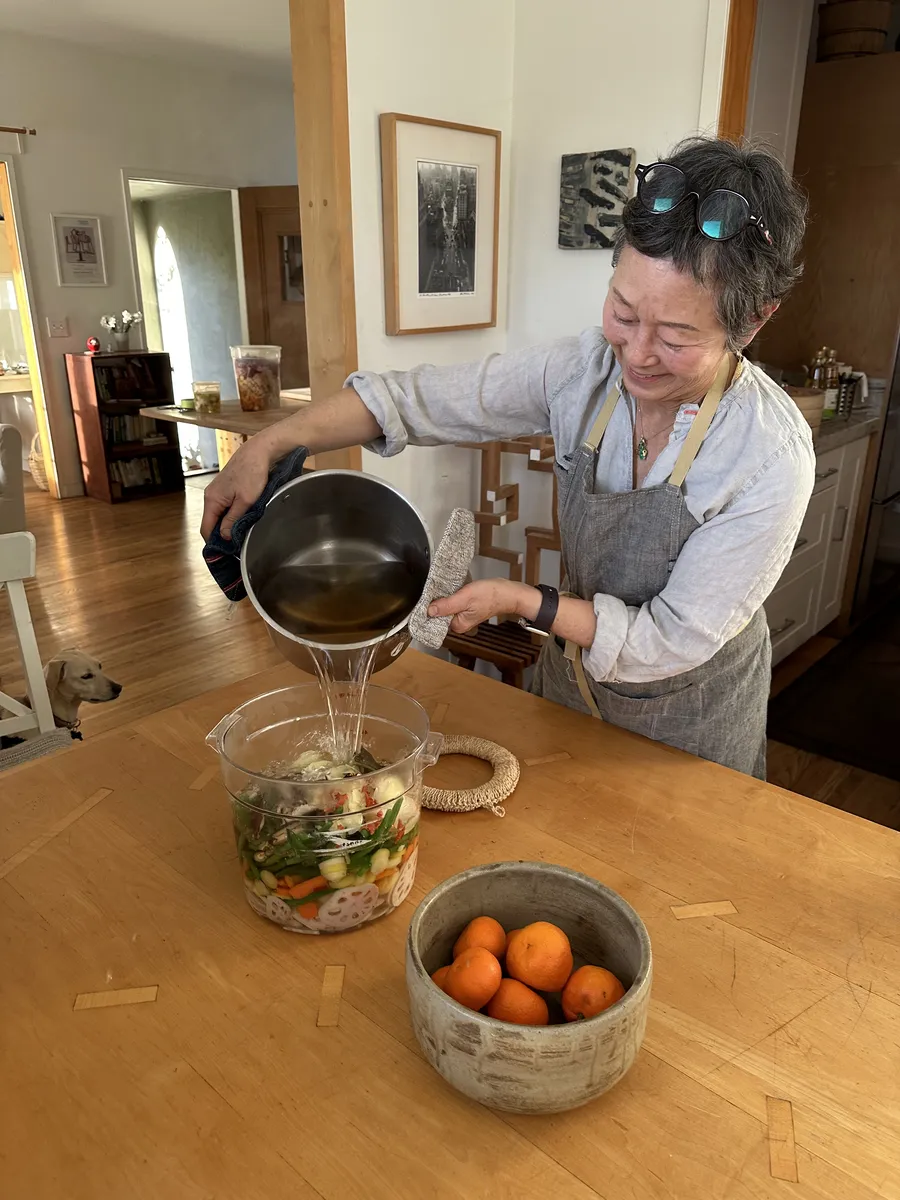
Sonoko and I first met at the end of 2024, when we held a pop-up and book launch for her at dosa along with my mentor and boss Christina. Not long after, she generously offered to help with a special dumpling party to celebrate 40 years of dosa. Somewhere in the middle of all our chopping, folding, and cooking, we became friends.
why we decided to do a dumpling workshop
Last fall, we hosted our first workshop together, which focused on mending and repairing clothes and accessories. It was such a good time that over the holidays we started thinking of other ways to bring people together. For me, the answer kept coming back to dumplings.
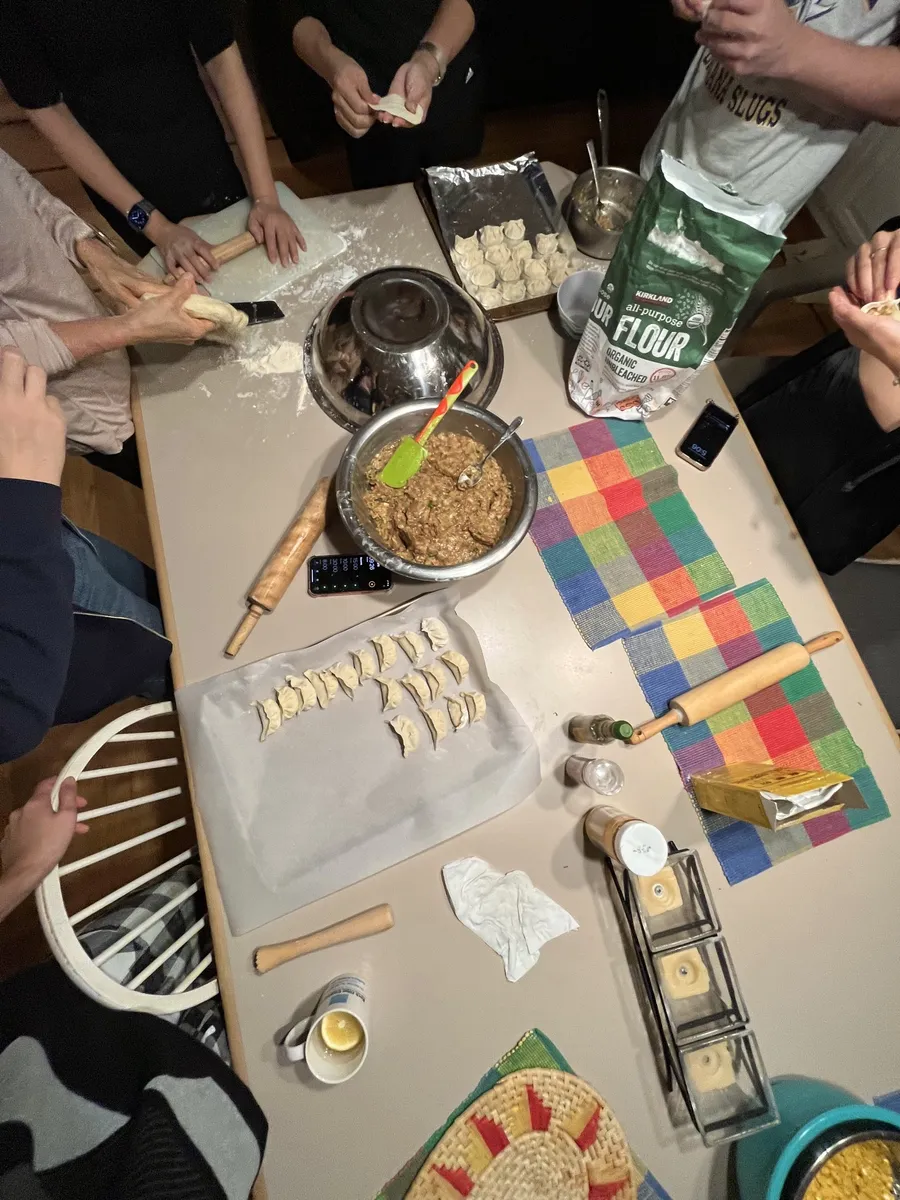
When I was growing up, making dumplings was something my family would make together for holidays, at family reunions, or even as a weekend activity. Even though my brother and I no longer live at home, we've kept that tradition alive by organizing dumpling parties with roommates and friends. It really is a labor of love: making the dough, preparing the filling, folding, and cooking. But that's exactly what makes it communal. It's a lot of work, and you need a group—but I've yet to meet anyone who isn't eager to jump in once they're at the table.
There's something special about that willingness to help that highlights what these kinds of communal activities have always been about: bringing people together and nourishing and taking care of those around you.
In a way, dumplings sit at this intersection of food, gathering, and healing. That same relationship between food and healing is also at the heart of Sonoko’s upcoming book, which draws inspiration from kampo, or the Japanese style of traditional Chinese medicine. There's a fitting piece of food lore here too: legend has it that dumplings were first invented as a medicinal remedy, created by an ancient Chinese physician to treat frostbite during a particularly brutal winter. Whether or not that's true, it's a reminder that food has always been about health and nourishment.
So when we started planning a spring workshop, making dumplings felt like a natural choice, and also like a full-circle moment.
on the day of the workshop
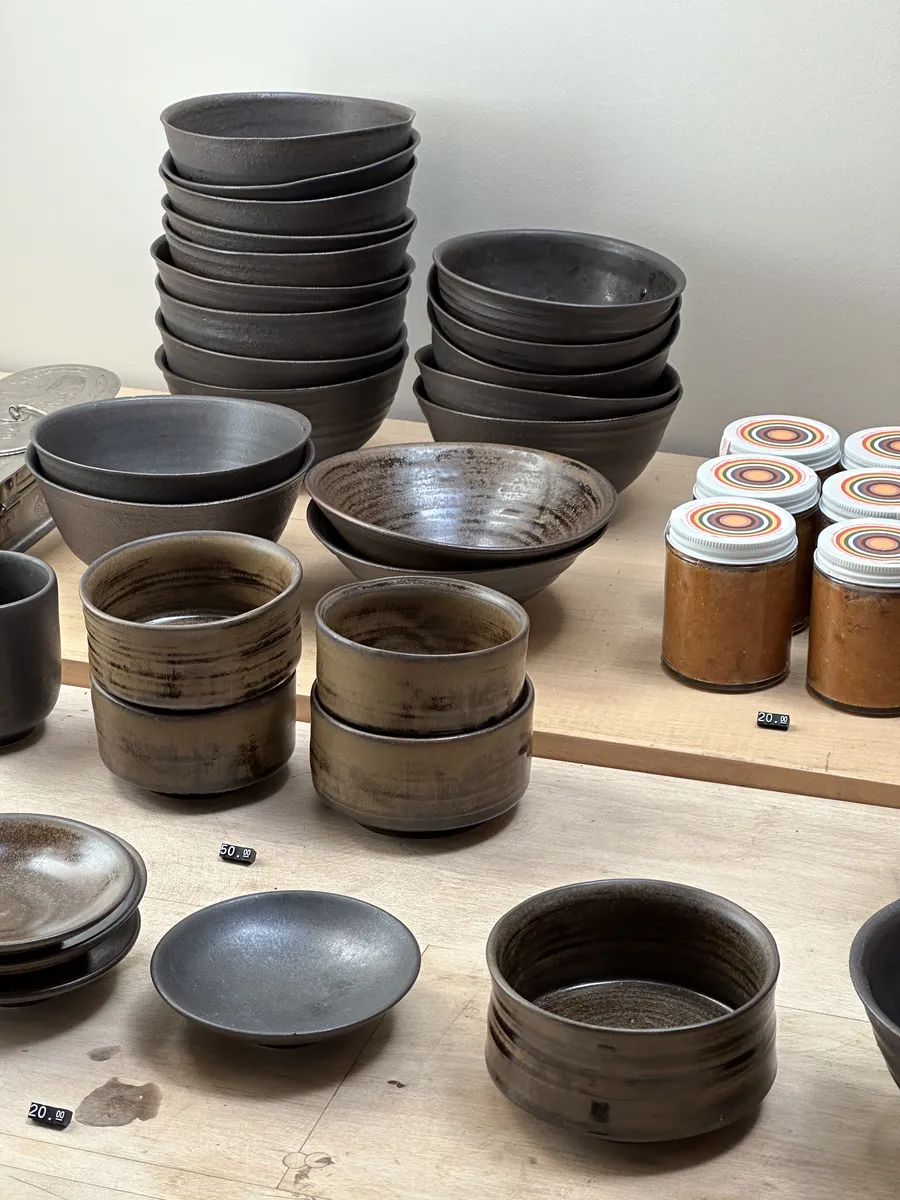
I arrived early to help set up, moving tables and chairs, and arranging a selection of my pottery alongside Sonoko's pantry goods before the first guests arrived. It was still brisk and slightly cloudy, a typical spring morning in Los Angeles.
As people trickled in, they introduced themselves, and gradually the small house filled up. Someone had driven down from north of San Luis Obispo. Another had come up from San Diego. There were two brothers in high school who liked to cook. Someone else from our previous mending workshop came wearing a pair of pants she'd repaired herself to show us, which was fantastic.
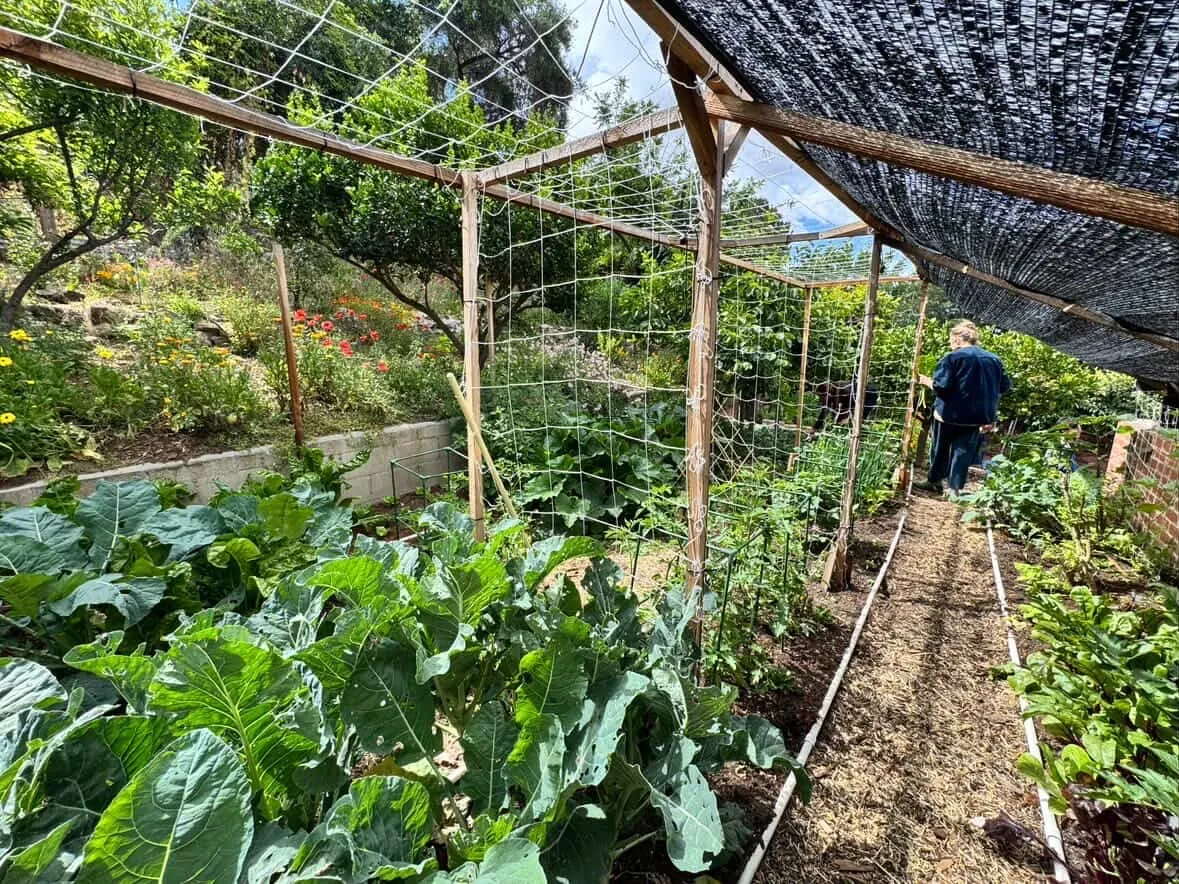
After everyone had arrived we took the group out to the garden to harvest some fresh vegetables for the dumpling filling. By then, the sun had come out and bathed the yard in a gentle morning light. Sonoko's backyard is a remarkably lush space for Los Angeles, peppered with yellow and orange nasturtiums, impossibly red poppies, and a slew of other wildflowers. Attendees came back with chard, squash, chives, and more, and we headed inside to start chopping.
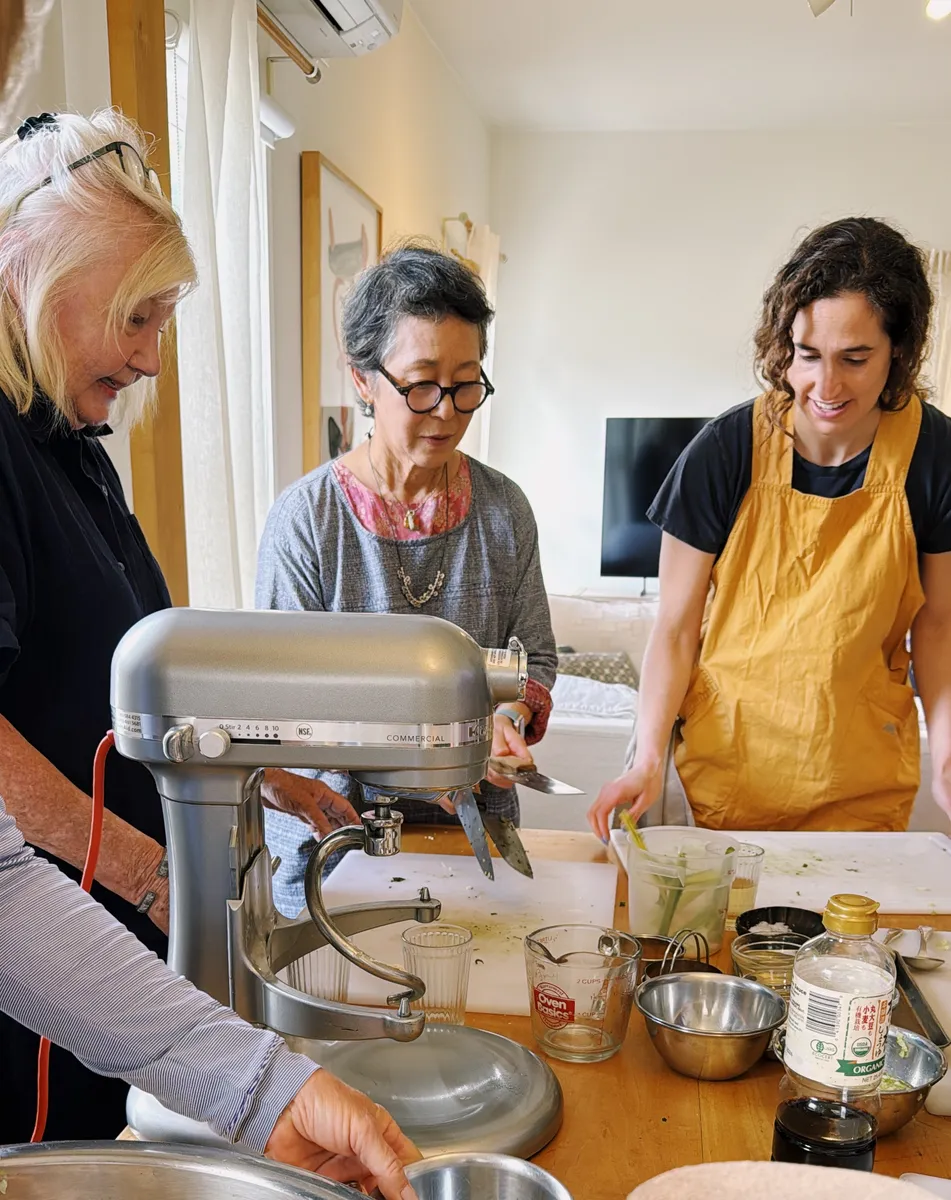
Fourteen people found their places around tables in the living and dining room. While Sonoko took one table, I took the other, and we began teaching how much filling to use, and how to seal the top and pleat the edges. Everyone picked it up quickly, chatting and laughing as they went. But the two high school brothers surprised me most—they turned out to be the most natural folders in the room.
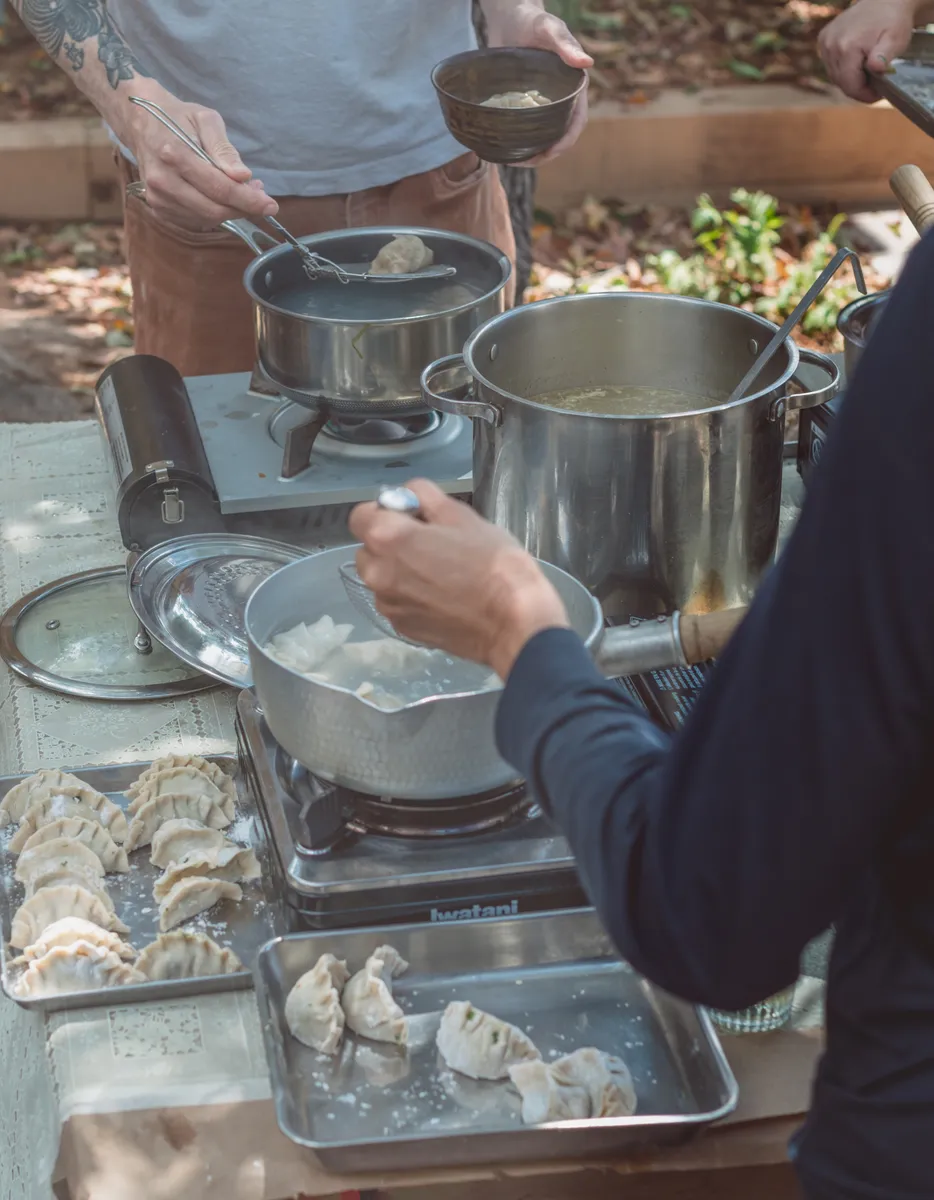
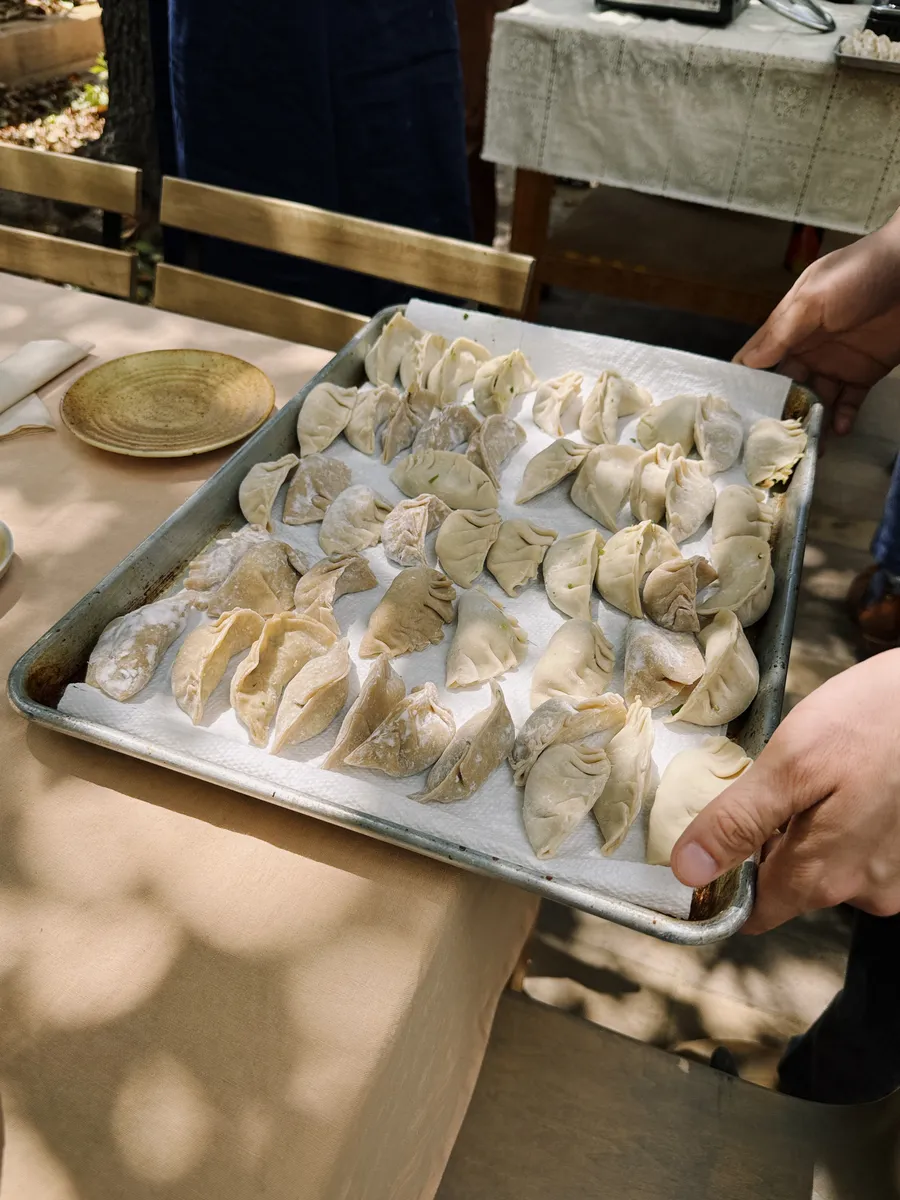
Once all the wrappers were used up, we moved outside to Sonoko's patio to cook. The afternoon light was dappled and warm, the best kind for being outside. On the table alongside the burners were the bowls I'd made for the occasion: one for each person to eat from and take home.
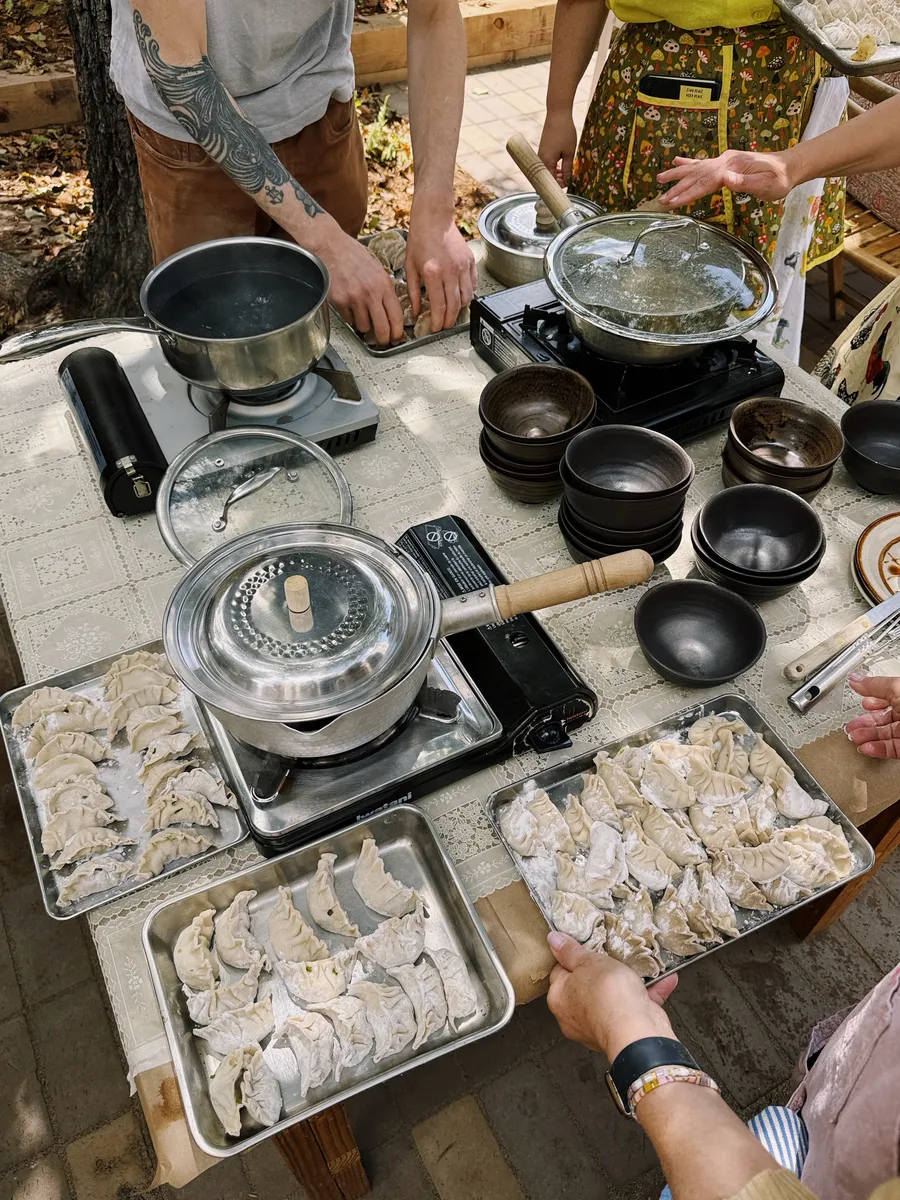
I'd been thinking about creating a line of everyday dinnerware for a while, and this workshop was the push for me to work on the idea. It's always been one of my goals to make honest, functional objects rather than precious ones. I want to make things you can reach for on any given day. So I kept the forms simple by throwing them on the wheel, leaving the finger marks intact, and gently nudging each to not be so perfectly round.
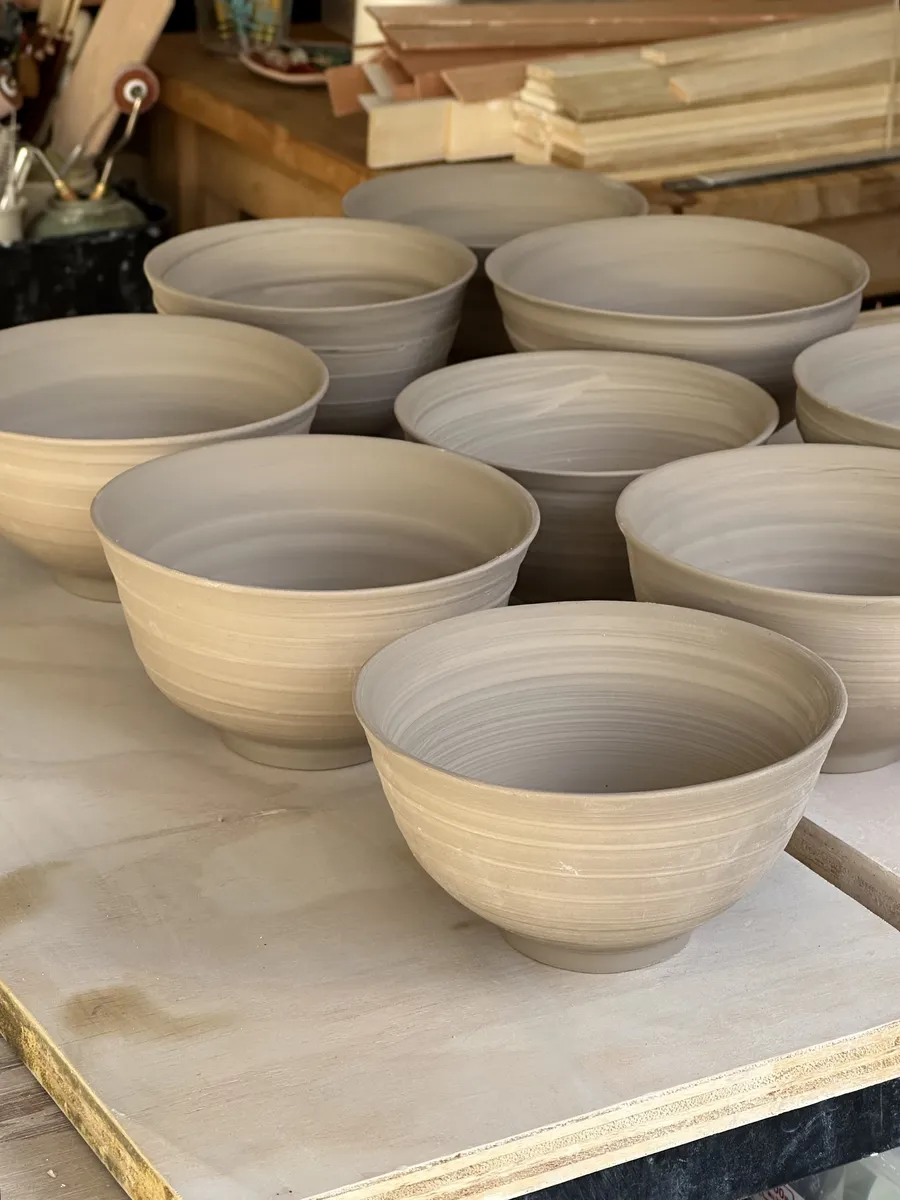
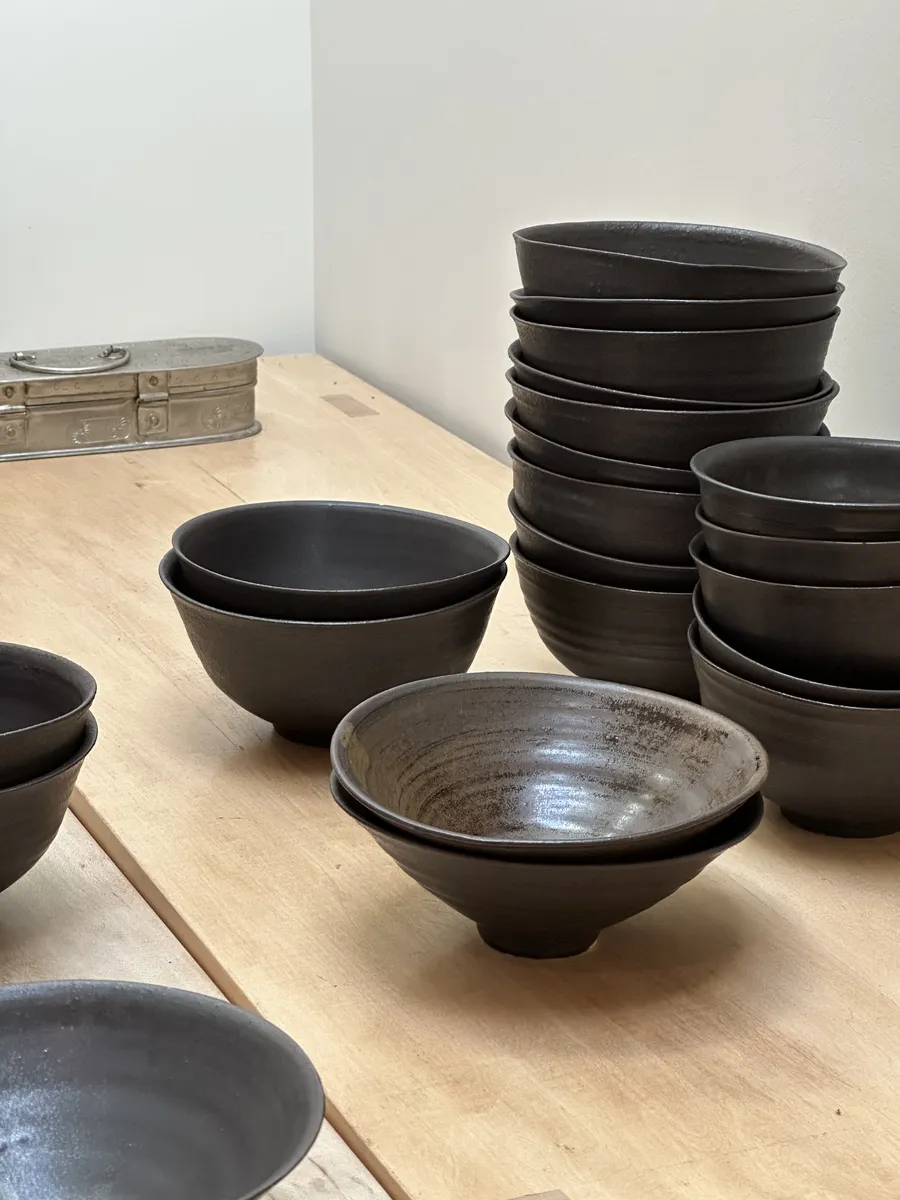
Along the ridges on the side of the bowls, the glazes break and subtly shift in color and texture—things that only appear because of the unevenness underneath. I always want my pots to have some trace of the hands that made them, the same way each dumpling on the table was a little irregular, each a little its own thing.
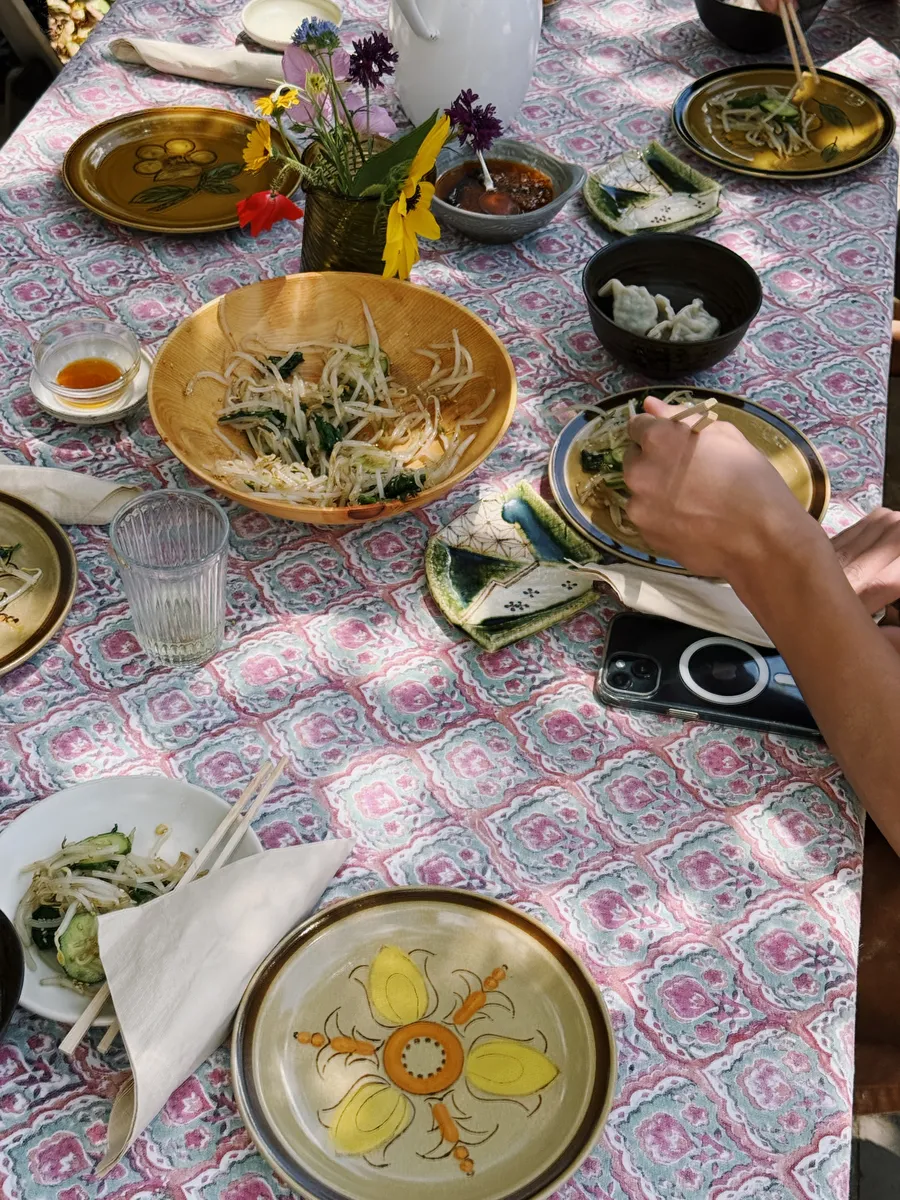
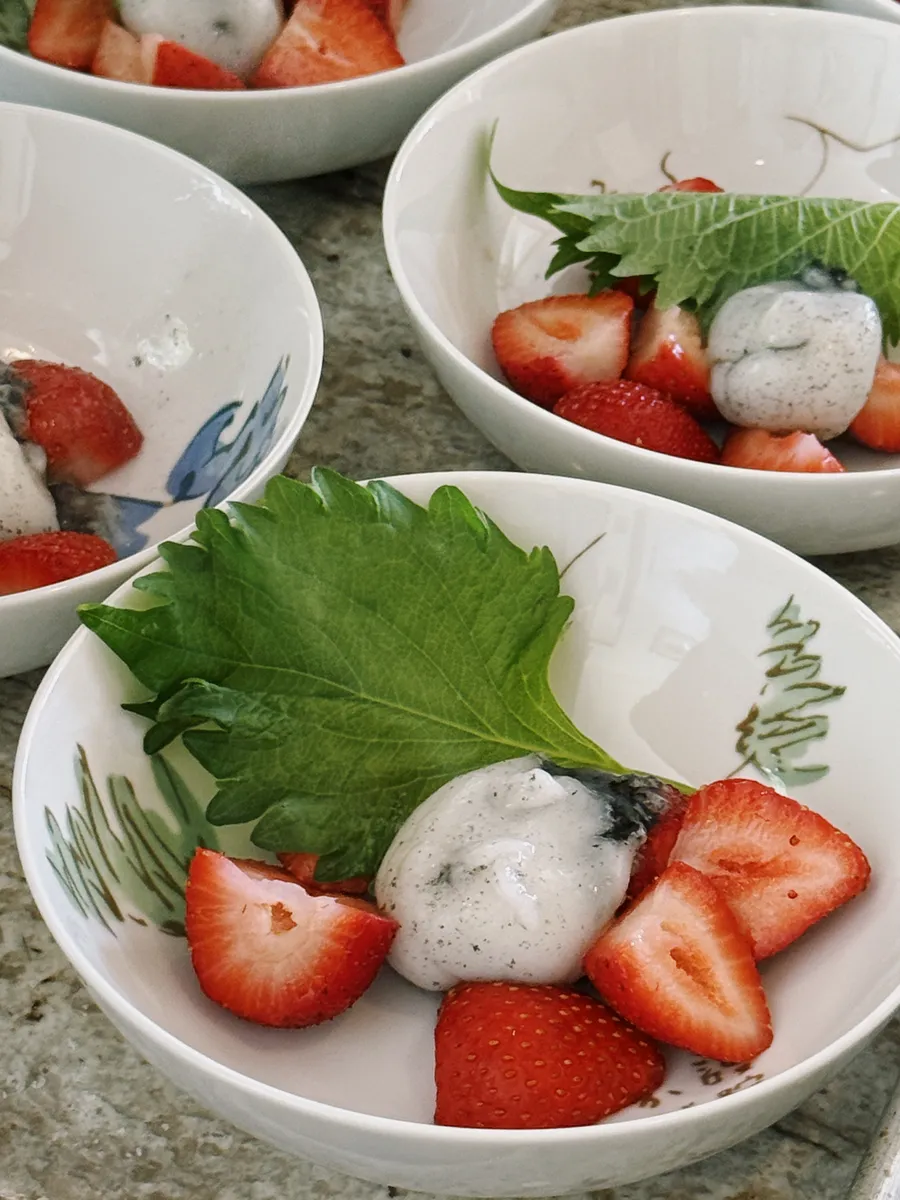
After filling our bowls, we ate. Students kept refilling the pots with more dumplings while a few people drifted inside at a time to make sweet rice dumplings filled with black sesame paste for dessert.
In the end, it felt less like hosting a workshop and more like continuing something I was already familiar with: gathering around family tables, surrounding yourself with friends, and having a few hours with good company, good cooking, and maybe most importantly, good eating.
Thank you to all the students, to Sonoko for organizing and opening up her home, and to her kitchen helpers Nadine and Tracy for all their hard work. It was a fun and rewarding morning, and I'm very much looking forward to the next time we can host something like this.
—Tommy