exploring temari
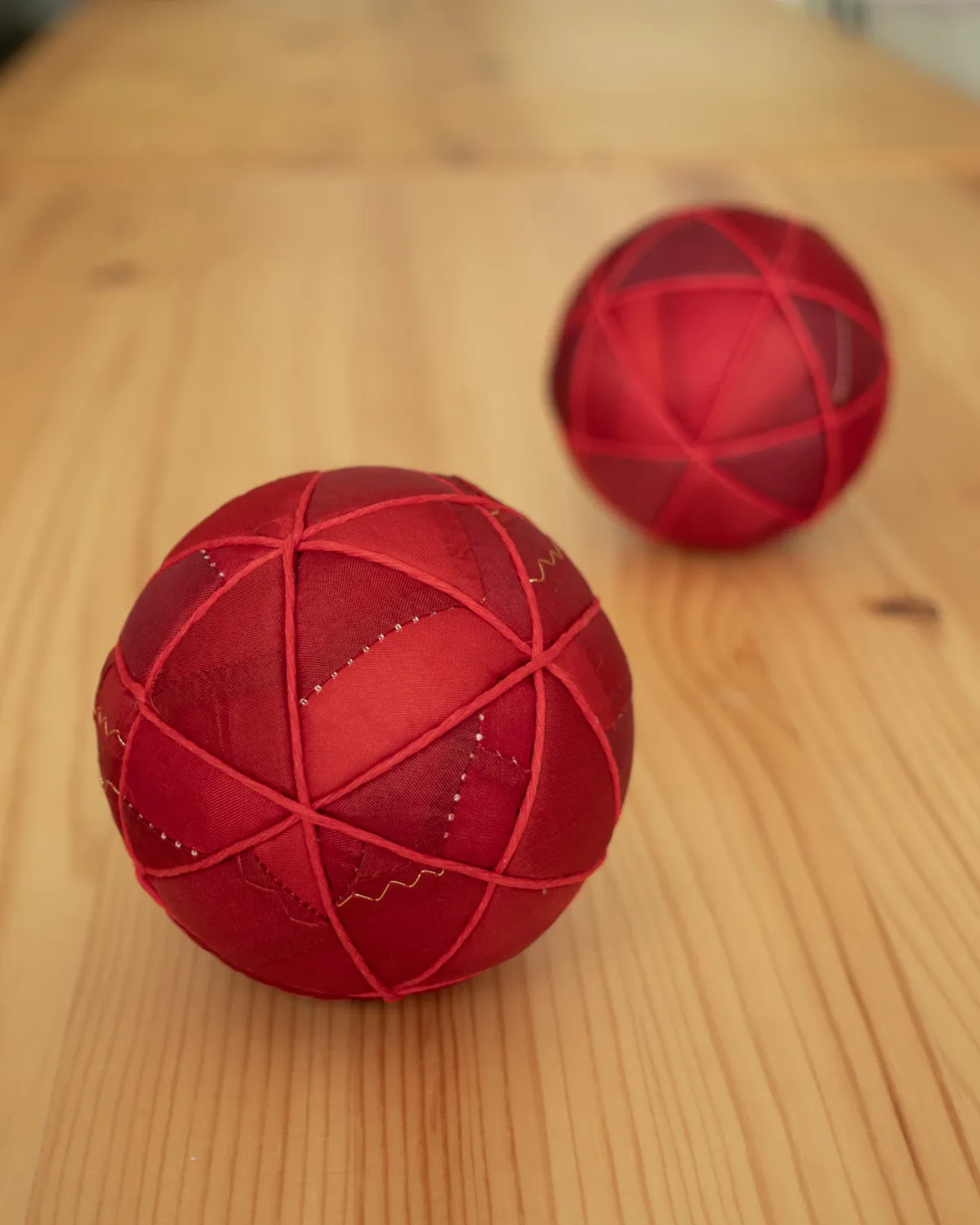
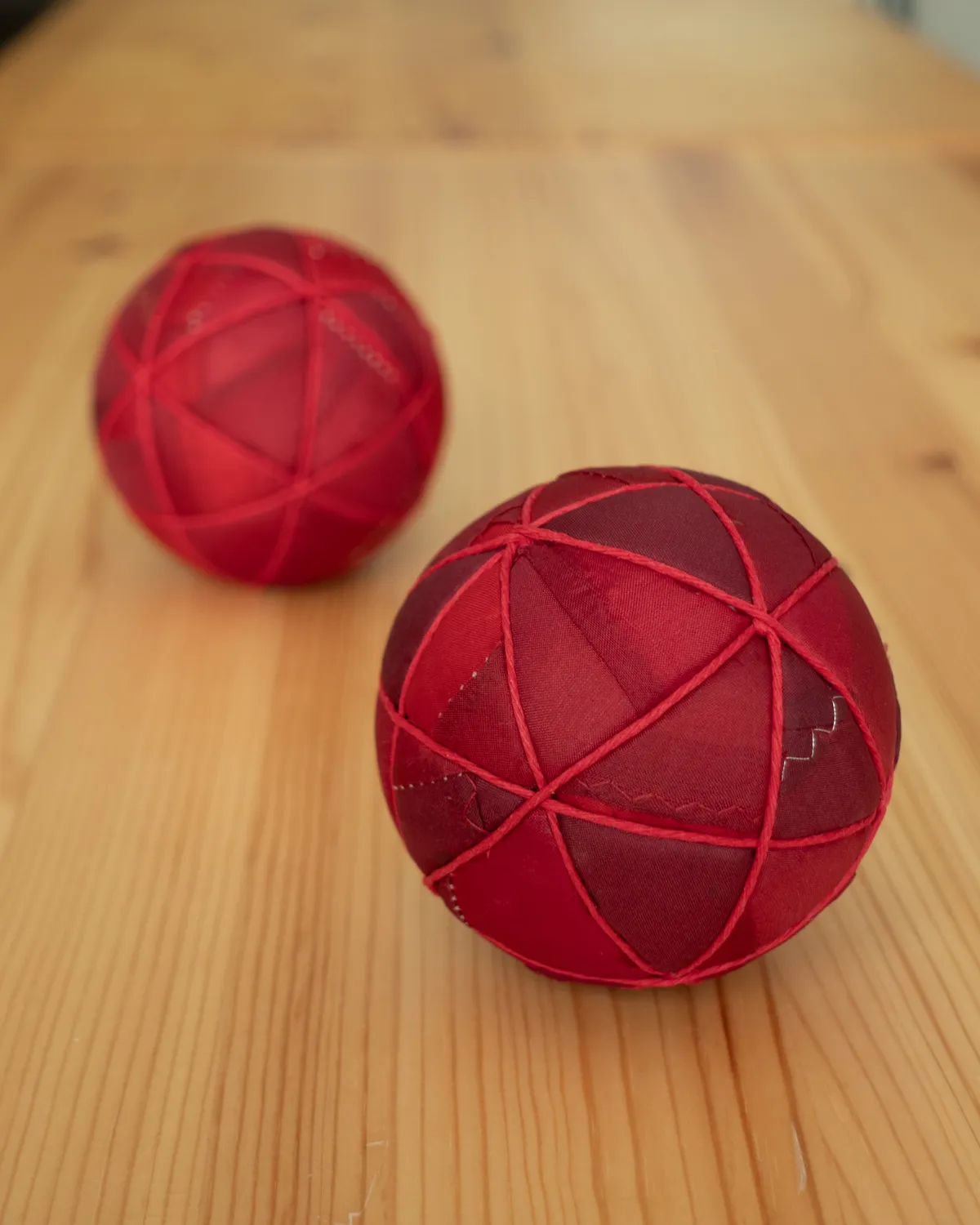
Ever since middle school I’ve been very interested in these embroidered balls called temari (手毬, literally hand-ball). Historically, they were made by rolling and wrapping fabric scraps tightly enough to make a ball for children's games, but over time they became more intricate and decorative. The idea made its way from China to Japan during the great exchange of ideas of the Tang Dynasty (starting in the 7th century AD); however, it's now primarily a craft that is practiced in Japan rather than China.
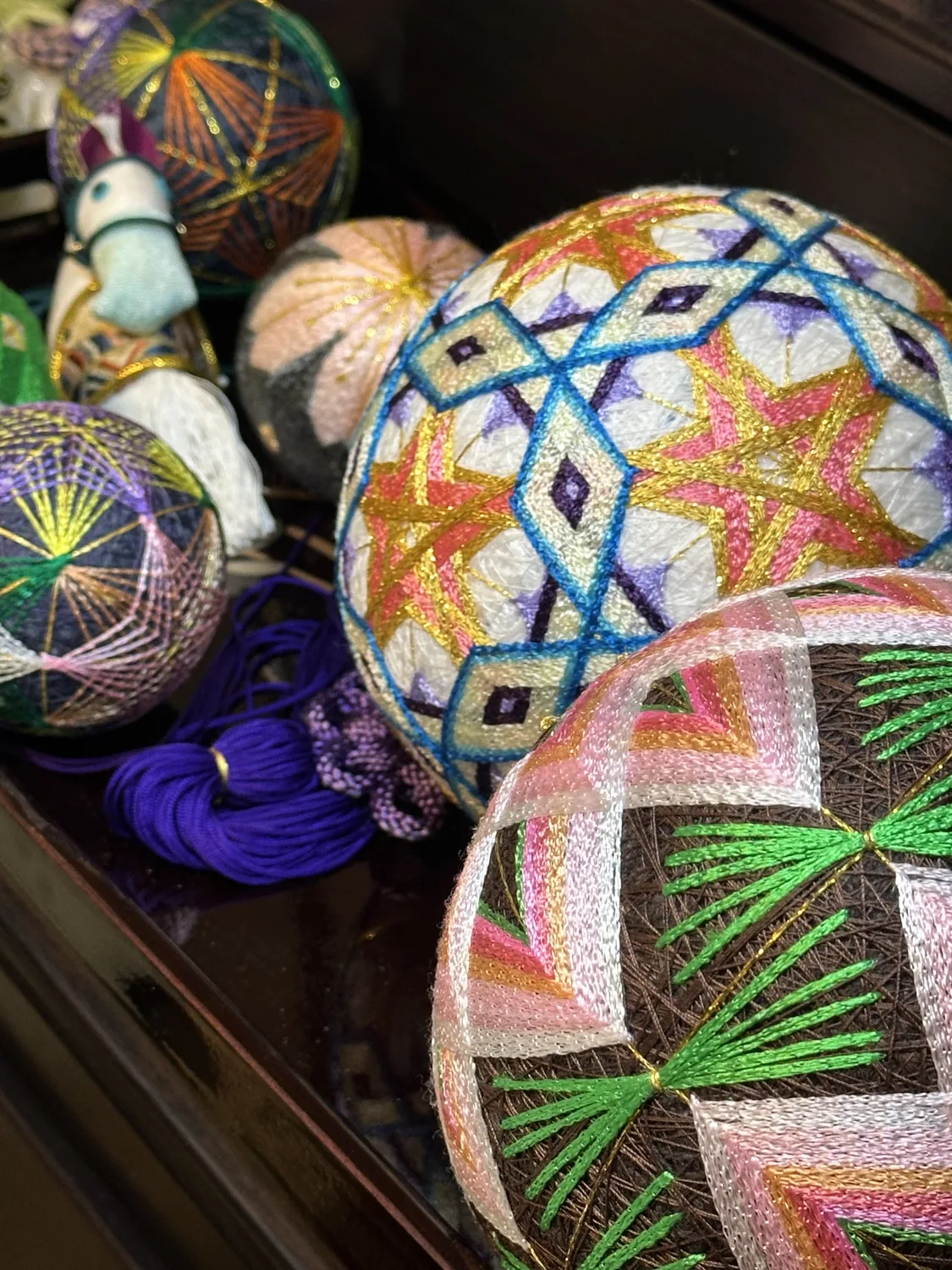
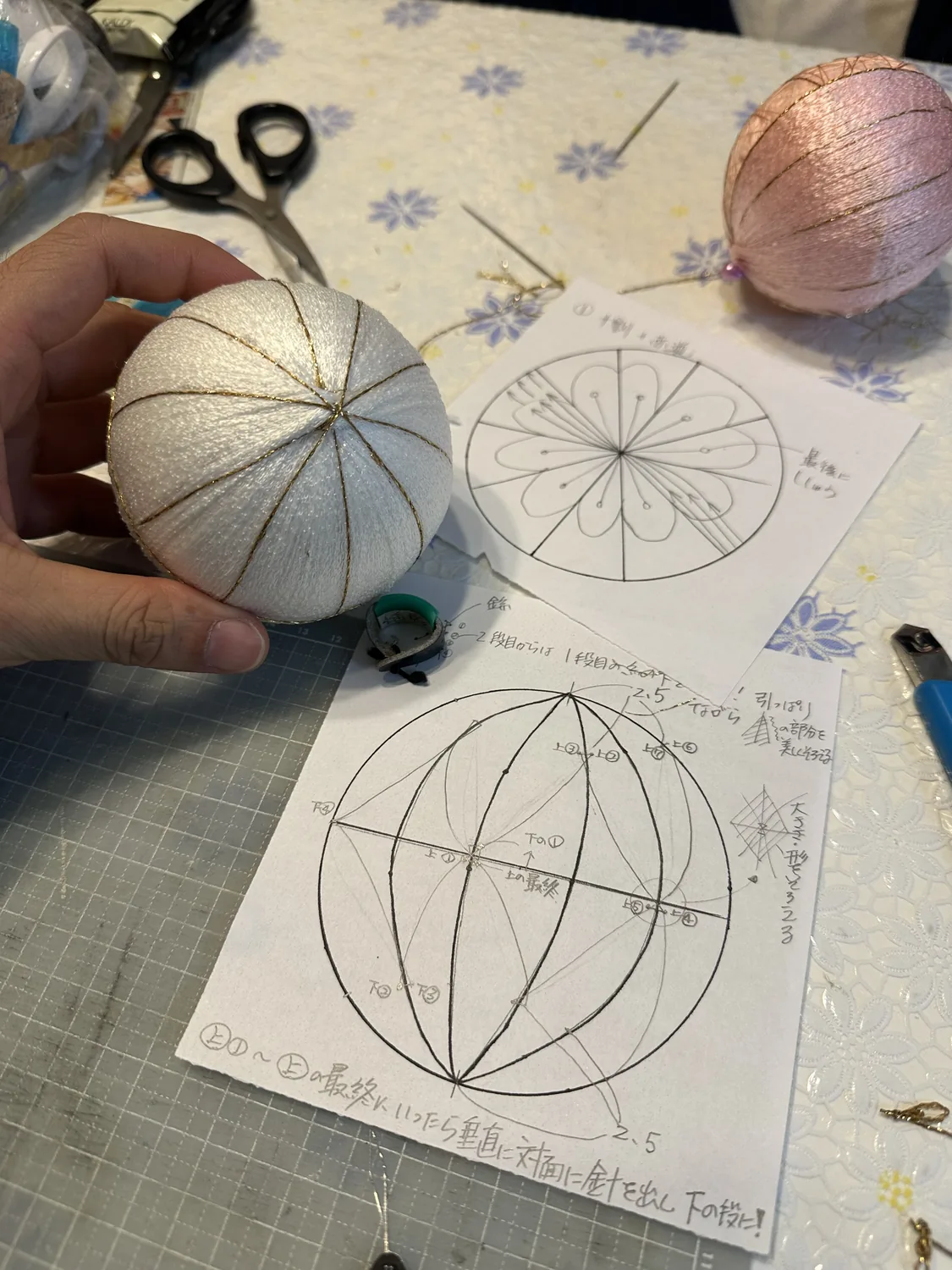
During my trip to Japan last year, my friend introduced me to her friend, Ino-san, who teaches temari-making workshops in Tokyo, and learning from her was one of the highlights of my trip. Not only did I learn how to make the embroidered type (which is what I was originally familiar with), but she also taught me how to make kimekomi balls which require no sewing.
Both of these craft and art forms are particularly interesting to me since, like many other things I'm interested in, they evolved from using scraps, remnants and whatever is on hand to make something that is functional, beautiful, or both.
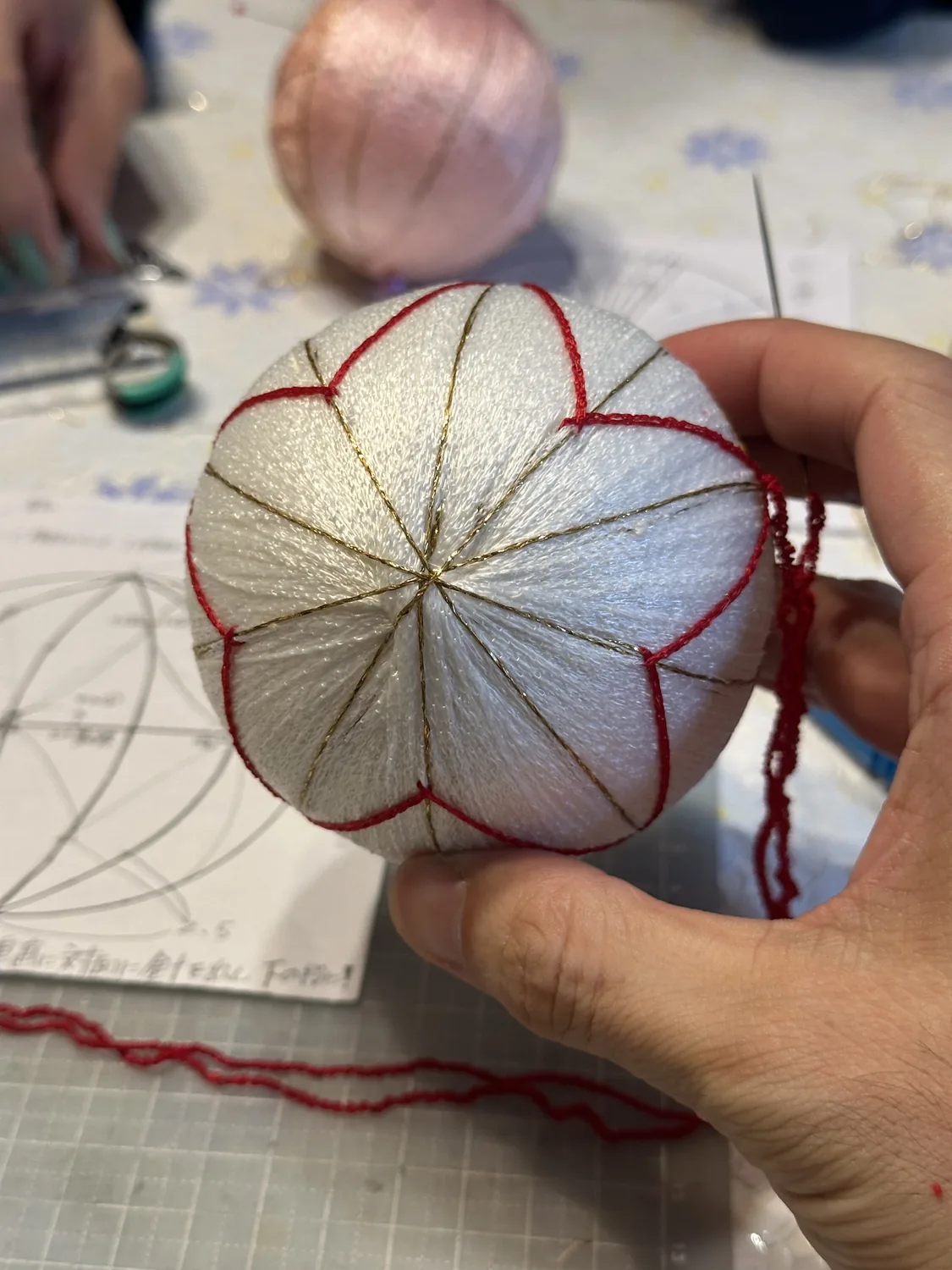
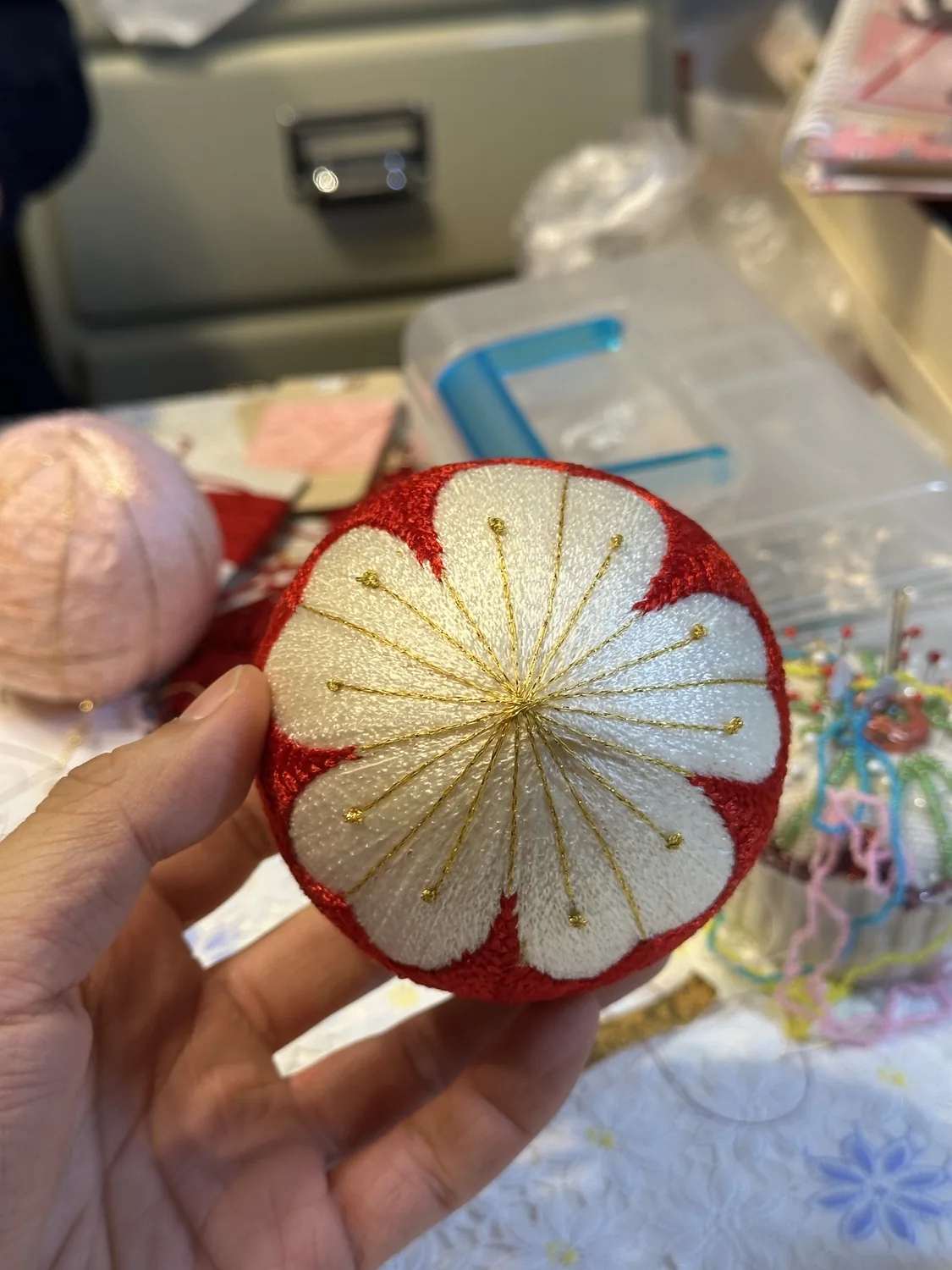
1 / 3
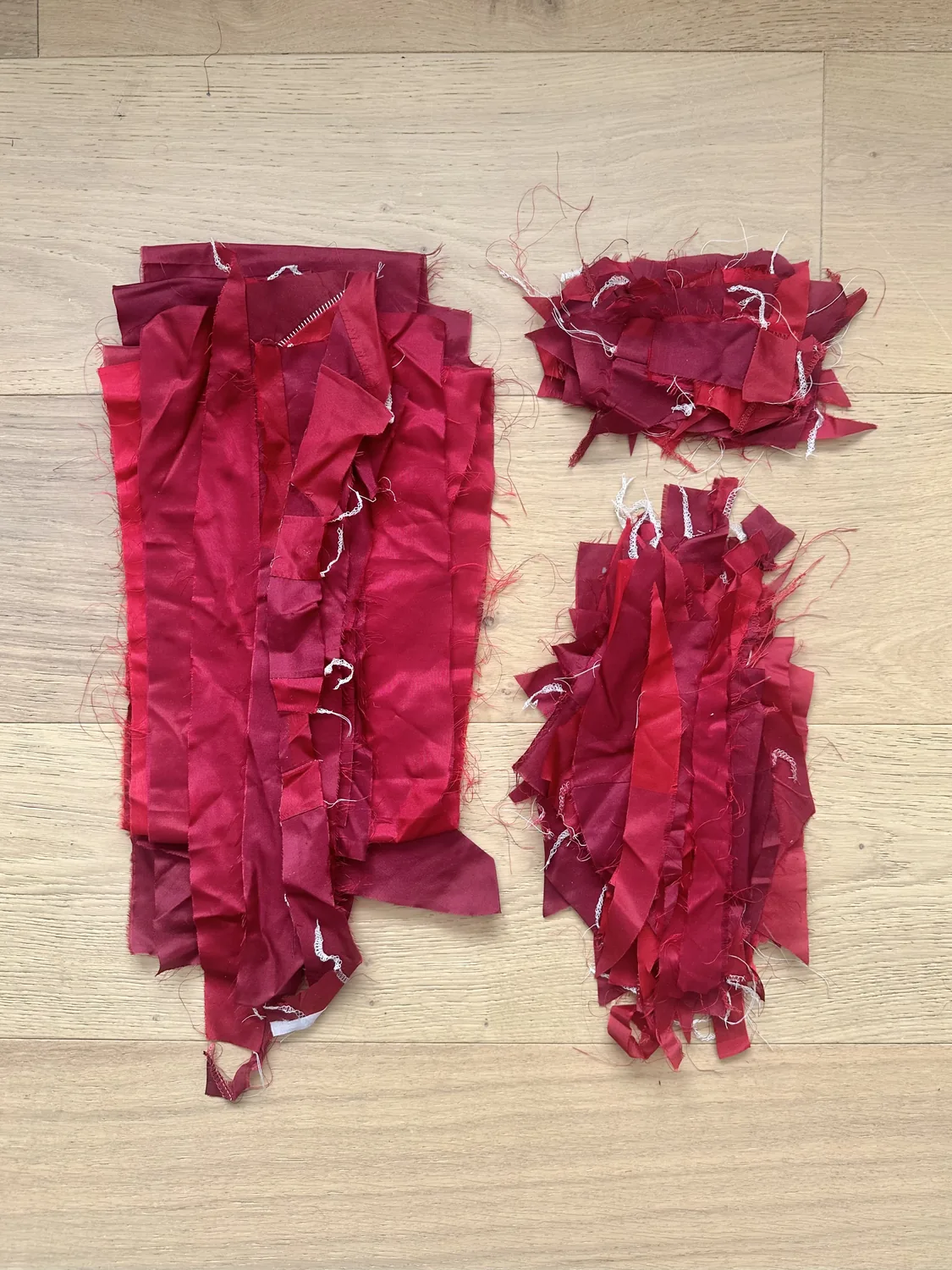
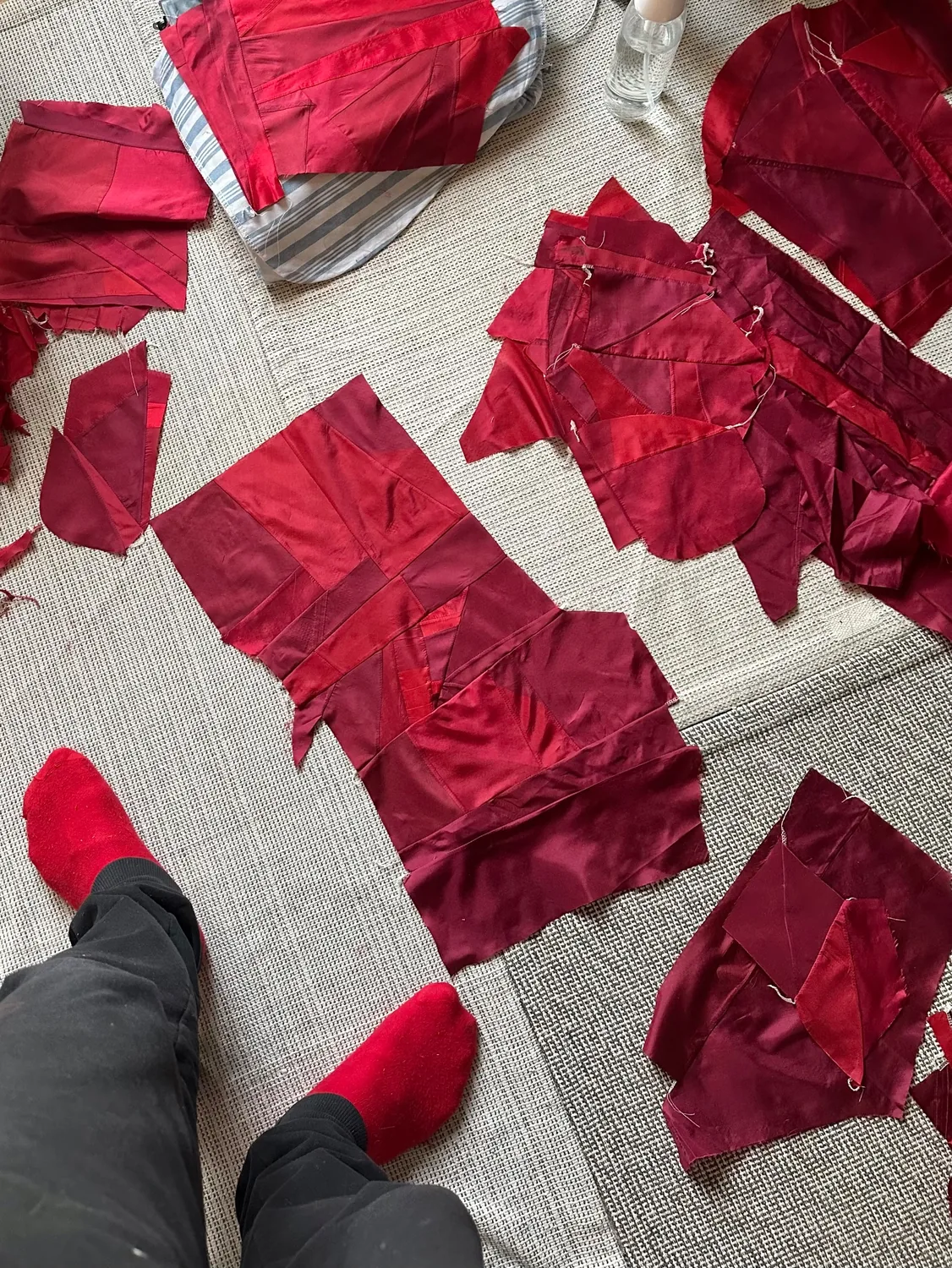
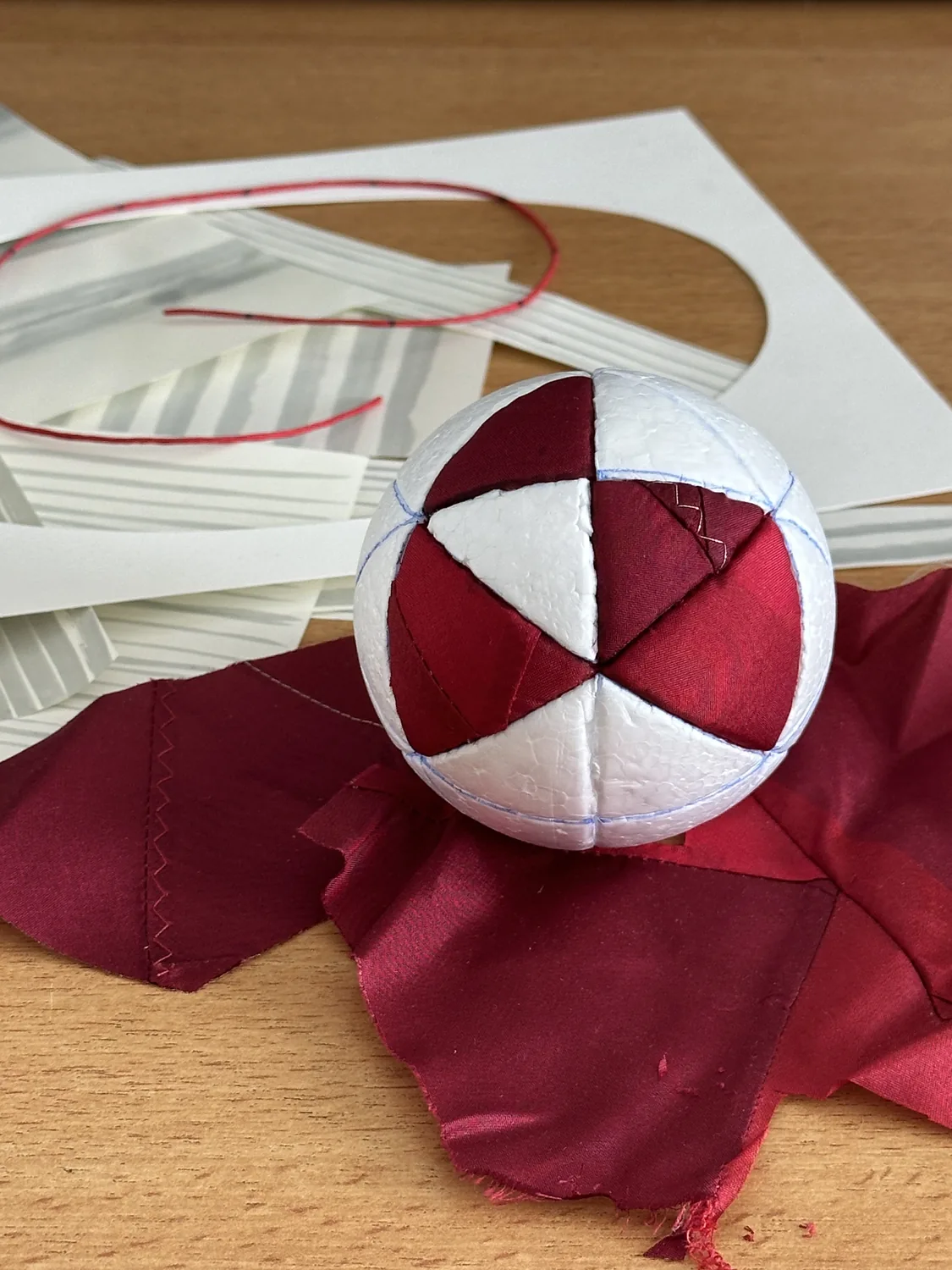
Now, almost a year later, my friend Yagi-san visited Los Angeles and I decided to make a kimekomi ball for both her and Ino-san using fabric scraps from my work at dosa. To make it more interesting and unique I wanted to use a combination of patched an unpatched pieces to make the balls. So like all patchwork projects, I started by sorting my fabric scraps and patching them. Afterwards, I cut them to the appropriate size for each facet and attached them, and lastly, used a piece of red hemp cord to cover up the attachment seams.
I'm really happy with how they turned out and it gave me more ideas for how I want to expand on this idea in the future. So I'm excited to keep sharing that process here.
Also, if you’re interested in taking a workshop in Tokyo, please write to me via email and I'd be happy to put you in touch with Ino-san.
Thanks as always for reading and until next time,
Tommy